Protecting the Architectural Fabric of Chicago
In 2026, the preservation of Chicago’s historic masonry has moved beyond simple aesthetics to a rigorous engineering challenge. As environmental pressures increase, homeowners and building managers are realizing that “tuckpointing” is not a one-size-fits-all solution. At Heritage Masonry, we advocate for an engineering-led approach to historic masonry restoration in Chicago, ensuring that every repair respects the original structural physics of 19th and early 20th-century buildings.
Key Questions Answered:
- What is engineering-led restoration? A systematic approach using laboratory-grade material analysis to match the original masonry’s compression strength and thermal expansion properties.
- Why avoid standard mortar? Modern Portland-based mortars are often too hard for historic bricks, causing stress cracks, spalling, and permanent structural damage.
- When is the best time for restoration? Summer is the critical window for masonry assessments and repairs in Chicago, allowing materials to cure correctly before the freeze-thaw cycle begins.
Key Takeaways (TL;DR)
- Material Compatibility is Crucial: Using mortars that are harder than the original brick is the leading cause of masonry failure in Chicago’s historic districts.
- Engineering Over Guesswork: Every restoration should begin with a structural assessment to prevent future cracks and ensure the building “breathes” naturally.
- Summer Maintenance Saves Costs: Addressing minor repointing needs during the warmer months prevents catastrophic water infiltration during the winter.
The Rise of Engineering-Led Masonry Preservation
Chicago’s architectural identity was forged in clay and fire following the Great Fire of 1871. However, the techniques used to build these landmarks—Pullman worker cottages, Hyde Park residences, and Lincoln Park bungalows—rely on traditional lime mortars that differ significantly from modern construction materials. Engineering-led restoration prioritizes the Secretary of the Interior’s Standards for Preservation, utilizing chemical analysis to replicate period-correct mortar profiles.
This technical accuracy prevents the “modern material” failures common in uninformed repairs. When a rigid modern mortar is applied to a flexible historic wall, the brick becomes the weakest point. Under thermal expansion, the brick—rather than the mortar—will crack or spall, leading to costly and often irreversible damage to the historic fabric.
Historic Restoration in Practice: The Heritage Approach
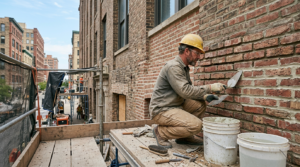
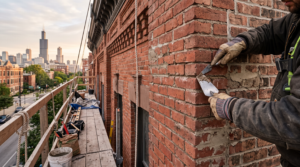
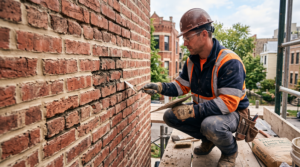
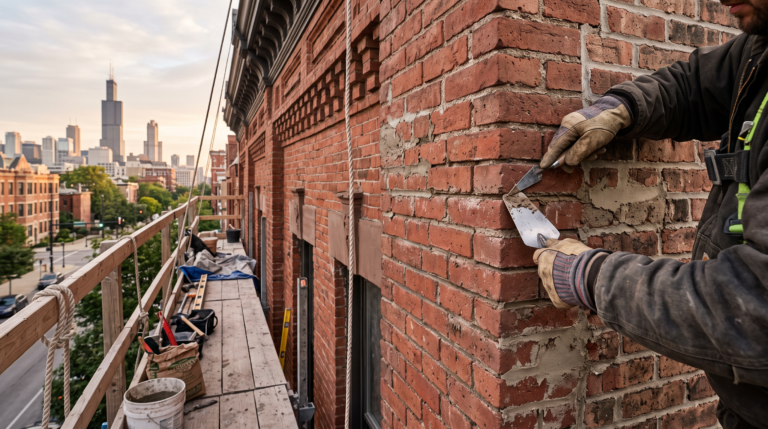
At Heritage Masonry, our restoration process is built on technical accuracy. Whether we are rebuilding a historic chimney in Pullman or performing precision repointing on 1894 butter joints in Lincoln Park, the process begins with a thorough evaluation. We source matching reclaimed common bricks and utilize specialized lime mortar mixes that ensure the wall remains breathable and structurally sound.
Our recent projects, such as the facade cleaning in Hyde Park using thermal low-pressure water, demonstrate our commitment to protecting the masonry’s natural “fire-skin.” Abrasive methods like sandblasting are strictly avoided, as they strip away the protective outer layer of the brick, leaving the porous interior vulnerable to Chicago’s harsh lakefront environment.
Tailored Solutions for Your Historic Property
Every building requires a unique preservation strategy based on its age, material composition, and current condition. Heritage Masonry provides detailed evaluations to help owners prioritize critical repairs:
- Historic Private Homes: Sensitive, preservation-first repairs for 1880s worker’s cottages and landmarked residences.
- Commercial & Institutional: Large-scale restoration for churches and schools, managing complex structural masonry with period-accurate materials.
- Specialized Maintenance: Application of sacrificial “shelter coats” and breathable water repellents to provide a mineral-based layer of protection.
Why Choose Heritage Masonry for Your Chicago Restoration?
We don’t just quote a job; we provide a long-term solution for your investment. Our engineering-led solutions for residential, commercial, and institutional structures are designed to move in harmony with your building. By combining technical accuracy with traditional craftsmanship, Heritage Masonry preserves the architectural legacy of Chicago one brick at a time.
FAQ: Historic Masonry Restoration
Q: How do I know if my building needs repointing?
Look for “sugaring” or crumbling mortar, visible gaps between bricks, or moisture stains on interior walls. An annual professional assessment is recommended to catch these issues early.
Q: Can I use any mason for a historic building?
No. Historic masonry requires knowledge of traditional lime mortars and preservation standards. Using a general contractor who treats an 1890s facade like a new retaining wall can lead to structural compromise.
Q: What is a shelter coat?
A shelter coat is a traditional lime-based wash applied to fragile masonry surfaces. It acts as a breathable, sacrificial layer that protects the original stone or brick from atmospheric pollutants.
Looking for a long-term solution for your Chicago property? Contact Heritage Masonry today for an engineering-led assessment of your historic structure.