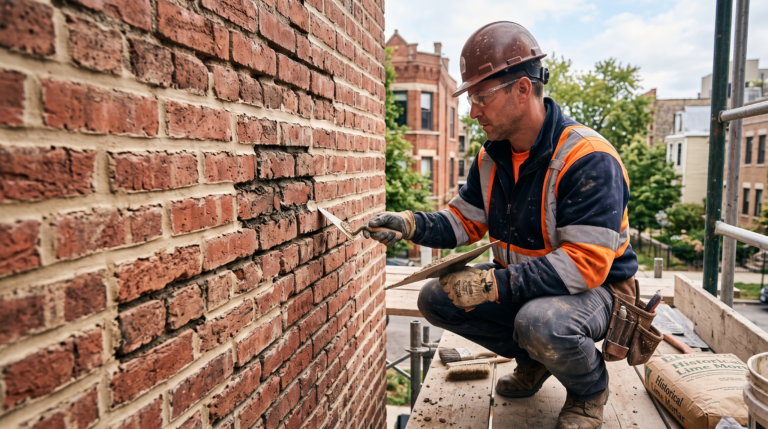
Chicago’s architectural legacy is etched in brick and stone, but maintaining these historic structures in 2026 requires more than just aesthetic repairs. As the restoration of historic buildings market continues to grow—projected to reach over $28 billion this year—the science behind preservation is evolving. For Chicago homeowners and property managers, understanding the shift toward engineering-led restoration is the key to protecting long-term property value.
The Evolution of Historic Masonry Restoration in 2026
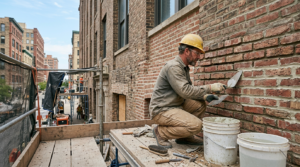
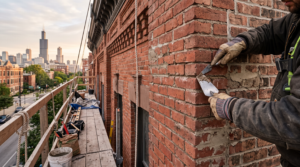
In 2026, the industry is moving away from “guesswork” repairs toward technical accuracy. Historic masonry in Chicago, ranging from 1880s worker’s cottages to landmark institutions, requires a specialized touch that respects the original material science. Modern restoration now prioritizes structural stabilization and exterior facade cleaning that prevents the “modern material” failures often seen in previous decades.
Key Takeaways:
- Chicago restoration is shifting toward engineering-led mortar matching to ensure material compatibility.
- Thermal, low-pressure water cleaning is the 2026 standard for safely removing pollutants from 19th-century brick.
- The North America historic restoration market is growing at a 6.8% CAGR, emphasizing the value of preservation.
Engineering-Led Mortar Matching: The Life-Saving Science
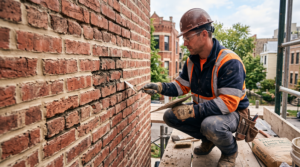
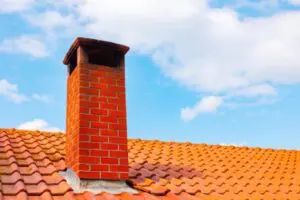
One of the most critical trends in 2026 is the use of materials that match the original structure’s compression strength and thermal expansion. When repointing a historic facade or rebuilding a chimney, using period-correct mortar is essential. According to industry insights from Masonry Design, reversing damage caused by incompatible modern cements is a primary focus for masons this year.
Heritage Masonry leads this field by utilizing field analysis to replicate the specific lime, sand, and aggregate profiles of 19th and early 20th-century mortars. This ensures the building remains breathable and structurally sound for decades to come, preventing the stress cracks and spalling common with standard, non-technical repairs.
Safe Cleaning: Preserving the “Fire-Skin” of Historic Brick
Cleaning historic masonry in Chicago has moved toward atmospheric and biological cleaning methods. Utilizing low-pressure steam and specialized detergents allows for the removal of soot, carbon, and mold without damaging the masonry’s natural “fire-skin.” This layer is crucial for the brick’s weather resistance; once destroyed by high-pressure sandblasting or harsh chemicals, the brick becomes porous and prone to rapid decay.
Tailored Solutions for Chicago’s Landmark Neighborhoods
Whether you are in Hyde Park, Lincoln Park, or Pullman, every Chicago neighborhood presents unique masonry challenges. In 2026, personalized masonry condition assessments are helping property owners prioritize critical repairs.
- Lincoln Park: Specializing in precision repointing of narrow 1894 butter joints.
- Pullman: Reclaiming history through chimney rebuilds using salvaged common bricks and traditional lime mortar.
- Beverly: Perfecting color matches for the iconic Chicago Bungalow facades.
Why Choose Heritage Masonry for Your Chicago Restoration?
Heritage Masonry doesn’t just quote a job; we provide a long-term solution for your investment. Our restoration process is built on technical accuracy and follows the Secretary of the Interior’s Standards for Preservation. From garden wall reconstruction to large-scale institutional restoration, we ensure that every repair moves in harmony with the building. We are dedicated to preserving the architectural legacy of Chicago, one brick at a time.
Frequently Asked Questions
What is “material compatibility” in masonry restoration?
Material compatibility refers to using new mortar and bricks that match the physical properties (like hardness and breathability) of the original materials. This prevents the new repairs from causing damage to the surrounding historic masonry.
How often should a historic brick building be repointed?
Typically, a well-executed repointing job with high-quality lime mortar can last 50 to 100 years. However, Chicago’s harsh freeze-thaw cycles mean property owners should have a professional assessment every 10–15 years.
Is chemical cleaning safe for 19th-century brick?
Only if specialized, low-pressure detergents are used. Traditional harsh acids can strip the protective outer layer of the brick. In 2026, we prefer low-pressure steam or “shelter coats” to provide breathable protection.